
logo

Top Priority Campaign

Grow Solar NC!

Now is the time to put solar panels on 100,000 roofs in North Carolina


With our first-rate universities and brain trusts like the Research Triangle Park, our state boasts some of the nation’s leading experts in solar power.  Entrepreneurs have introduced a slew of new solar projects in the last year, including the largest solar facility in the world in Western North Carolina.  


In 2007, the state passed a requirement that a fraction of North Carolina’s power come from solar energy—a great first step, but not enough.


In fact, with virtually unlimited potential to get our energy from the sun, the planet in peril, and the economy in trouble, we can do much, much more.


Save Jordan Lake

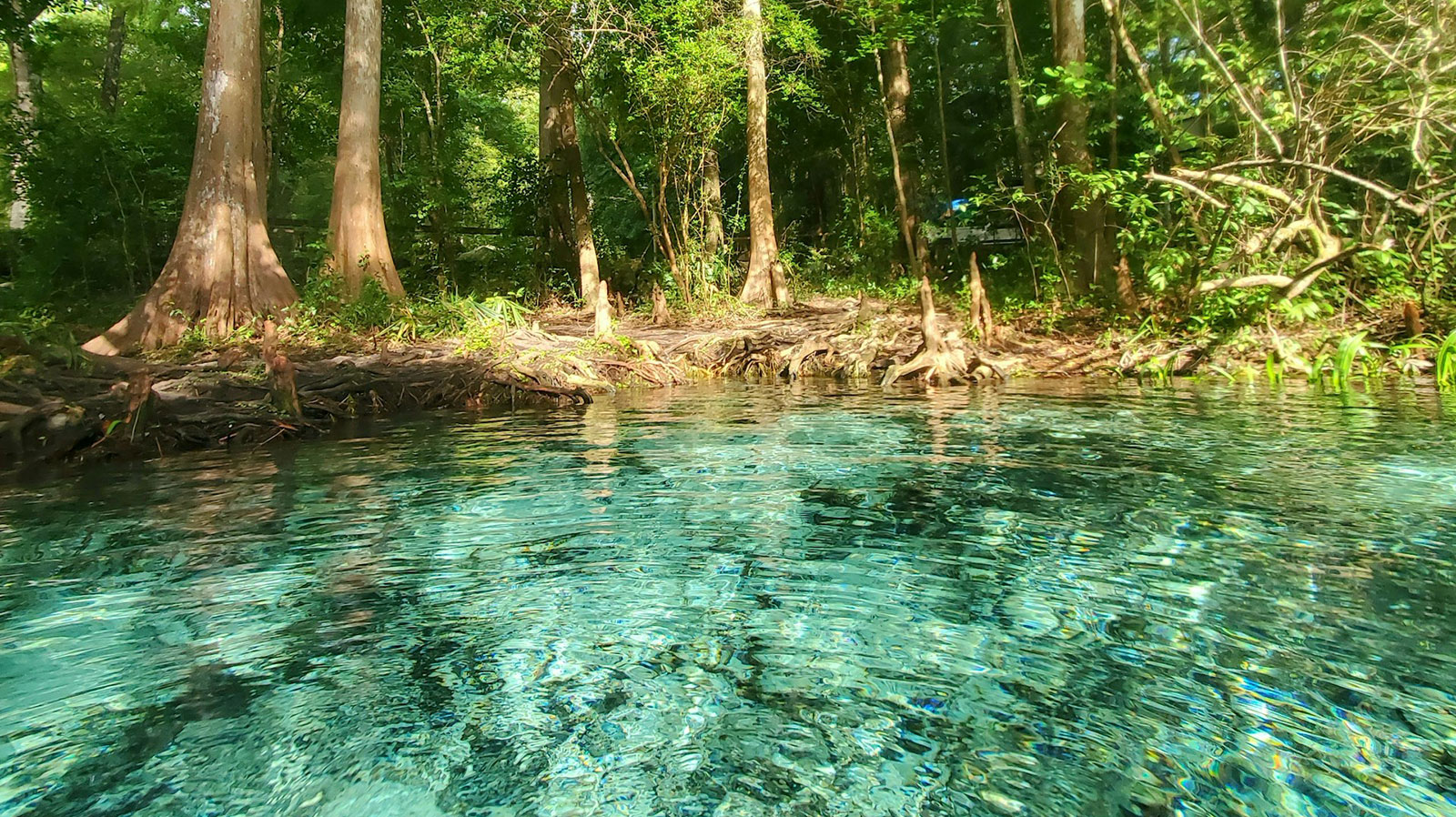
Jordan Lake is a favorite among area residents and tourists for fishing, swimming, and hiking—a place where Tar Heels can escape the growing world of concrete, strip malls and housing sprawl.  The lake also provides drinking water to more than 400,000 Triangle residents, and helps prevent floods for communities downstream.

Unfortunately, Jordan Lake is suffering. That's why Environment North Carolina is urging state legislators to act once and for all to protect the treasured Triangle resource.


Latest News

Dependence on Big Oil, Dirty Coal Could Cost North Carolina $782 Billion By 2030 7/01/2009

Between 2010 and 2030, North Carolina will spend as much as $782 billion on oil, coal, and other fossil fuels - 3.5 times the total earnings of all North Carolina workers in 2007. At the same time, pollution from fossil fuels is the number one source of air and global warming pollution and a leading source of water pollution, said Environment North Carolina in their new report.

Our Latest Reports

The High Cost of Fossil Fuels: Why America Can't Afford to Depend on Dirty Energy 7/01/2009

America is at an energy crossroad. As a nation, we are dependent on fossil fuels at a time of growing demand and dwindling supply. Meanwhile, fossil fuel use continues to impose massive environmental and economic costs. Now our country must choose between paying to continue the status quo and investing in a new energy future.

Recovering with Solar: How North Carolina Communities Can Boost the Economy by Investing in Solar Power 6/25/2009

This report offers a glimpse of how cities and counties around the state plan to use the Energy Efficiency and Conservation Block Grant Program to invest in solar technologies, featuring Cary, Durham, Fayetteville, Greensboro, and Mecklenburg County.

In the News

Welcome efforts on energy efficiency 7/01/2009

The city of Durham's General Services Department not long ago sank $12,000 into a rooftop solar heater for its headquarters on Fay Street. That may seem like a lot of money -- after all, the department, we presume, had a functioning water heater powered by conventional means of gas or electricity. But consider this: The new heater drawing its power from the sun will save the city an estimated $2,800 a year in utility costs. At that rate, the new solar heater will have paid for itself in less than five years.

Waste ponds worry EPA 7/01/2009

North Carolina is home to more potentially hazardous coal-ash storage ponds than any other state, according to a new report from the Environmental Protection Agency.

House passes regulations for Jordan Lake 6/23/2009

Regulations to clean and protect polluted Jordan Lake passed the state House by a vote of 108-9 Monday night. Following last week's 47-0 approval in the Senate, the once-controversial legislation is on its way for Gov. Bev Perdue's signature.